
Why Your Website Matters
Your website is often the first experience someone has with your organization. Before calling, requesting a quote, visiting your location, or making a purchase, potential customers are likely to visit your website to learn who you are and decide whether they can trust you.
An effective website does more than present information. It builds credibility, generates leads, supports sales, and creates opportunities for long-term business growth.
Whether you are a manufacturer, contractor, healthcare provider, professional services firm, nonprofit organization, educational institution, or government agency, your website should accurately represent your organization and make it easy for visitors to take the next step.
YOUR WEBSITE BUILDS CREDIBILITY
Visitors form an impression of your organization within moments of arriving on your website. An outdated design, broken links, confusing navigation, or incomplete information can cause potential customers to question the quality and reliability of your business.
A professional website communicates that your organization is established, capable, and attentive to detail. Consistent branding, strong visuals, current information, and clear messaging help build confidence before a visitor ever speaks with your team.
YOUR WEBSITE GENERATES LEADS
Your website should work as an active part of your sales and marketing strategy. It should help potential customers understand what you offer, recognize how you can help them, and contact your organization when they are ready.
Contact forms, quote requests, consultation scheduling, telephone numbers, email links, and clearly placed calls to action can turn website traffic into real business opportunities.
When these elements are easy to find and simple to use, visitors are more likely to take action instead of leaving the website and contacting a competitor.
YOUR WEBSITE HELPS CONVERT VISITORS
Attracting visitors is only the beginning. Your website must also give them a reason to stay, explore, and move forward.
Clear descriptions of your services, examples of completed work, client testimonials, certifications, company experience, and helpful resources can answer questions and reduce uncertainty. These elements help visitors understand the value your organization provides and make them more comfortable taking the next step.
A successful website guides people from interest to action.
CLEAR NAVIGATION MATTERS
Visitors should be able to find what they need quickly and easily. Confusing menus and cluttered layouts can cause people to leave a website before exploring its content.
An effective website uses simple navigation, organized content, and a logical structure that guides visitors through the site. Whether someone is looking for services, contact information, project examples, company history, or purchasing information, the path should be clear and intuitive.
MOBILE-FRIENDLY DESIGN IS ESSENTIAL
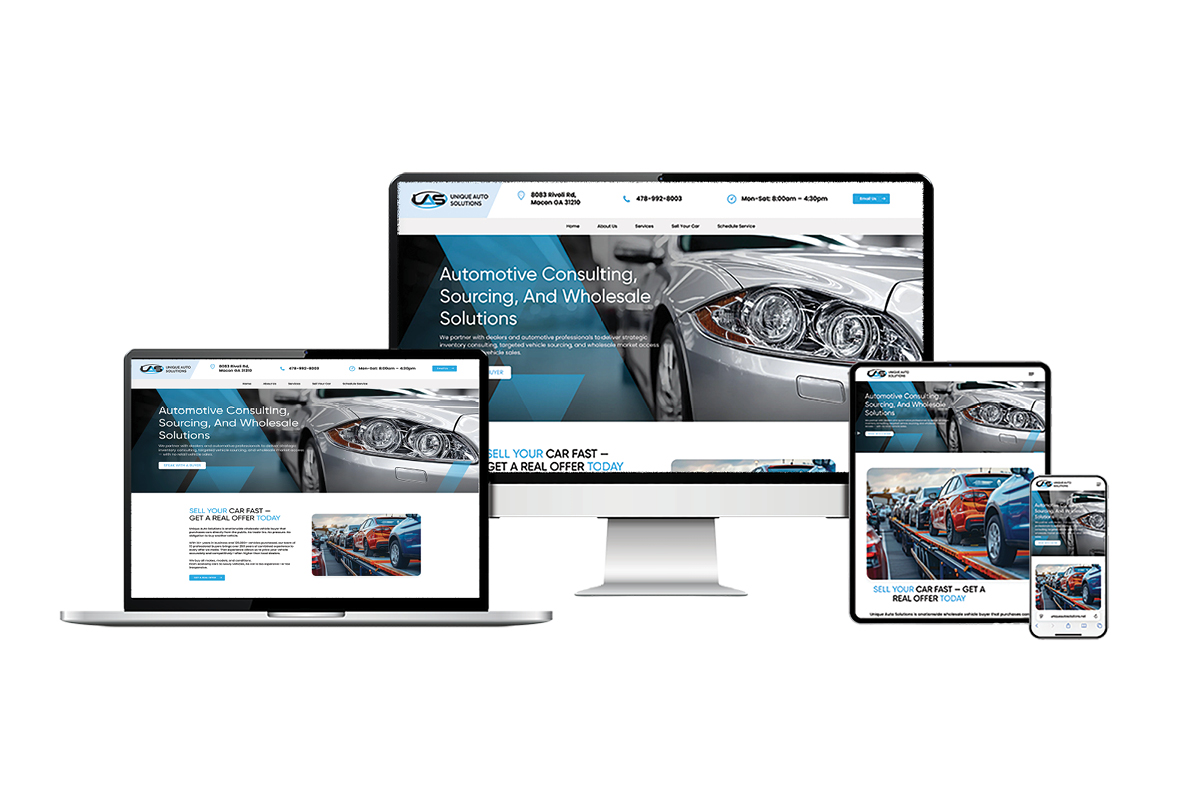
Visitors access websites from smartphones, tablets, laptops, and desktop computers. A website that looks attractive on one screen but performs poorly on another creates frustration and can result in lost opportunities.
Responsive design allows a website to adapt to different screen sizes and devices. Text should remain readable, buttons should be easy to select, images should display properly, and navigation should remain simple for every visitor.
PROFESSIONAL VISUALS STRENGTHEN YOUR MESSAGE
Strong visuals help establish credibility and tell your organization’s story. Professional photography, project images, product photographs, and custom graphics create a more meaningful experience than generic images that could belong to any business.
Visuals should support the content and showcase real work whenever possible. Visitors are more likely to trust an organization when they can see its actual projects, facilities, products, employees, or services.
STRONG CALLS TO ACTION ENCOURAGE RESULTS
Every website should guide visitors toward an appropriate next step.
That step may be requesting a quote, scheduling a consultation, making a purchase, submitting an application, downloading information, or contacting your team.
Calls to action should be clear, relevant, and easy to find throughout the website. Visitors should never have to search for a way to contact you or wonder what they should do next.
SPEED AND PERFORMANCE AFFECT THE EXPERIENCE
A professional website should perform well behind the scenes. Slow-loading pages can frustrate visitors, interrupt the user experience, and make people less likely to remain on the site.
Optimized images, reliable hosting, efficient development practices, regular maintenance, and properly configured caching can help pages load quickly and operate smoothly.
Website performance also supports search visibility and makes it easier for search engines to access and understand your content.
ACCESSIBILITY EXPANDS YOUR REACH
An effective website should be usable by people with a wide range of abilities. Clear heading structures, readable text, sufficient color contrast, keyboard navigation, descriptive alternative text, properly labeled forms, and captioned videos all contribute to a more inclusive experience.
Accessibility should be considered throughout the design, development, and maintenance of a website. It improves usability and helps more people access your organization’s information, services, and resources.
A REAL-WORLD EXAMPLE
The Fraser Engineering website demonstrates many of these principles. The site combines professional project photography, organized navigation, responsive design, and clear calls to action to create a user-friendly experience.
Visitors can quickly learn about the company’s capabilities, review completed projects, explore the industries it serves, and contact the team for additional information.
The result is a website that does more than look professional. It supports Fraser Engineering’s brand, communicates its experience, and helps advance its business goals.
DESIGN AND FUNCTION MUST WORK TOGETHER
The most effective websites balance visual appeal with functionality. Modern design is important, but a website must also help visitors find information, understand your organization, build confidence, and take action.
A successful website works for both your business and your customers.
If your website is outdated, difficult to navigate, slow to load, or no longer reflects your organization, it may be time for a redesign. Investing in a modern website can improve credibility, strengthen your online presence, generate leads, and create new business opportunities.
HOW RPM DESIGN PRO CAN HELP
RPM Design Pro designs websites that are visually appealing, mobile-friendly, accessible, easy to navigate, and built to support long-term growth.
Whether you need a new website, a complete redesign, or improvements to an existing site, we can help create a professional online presence that reflects your organization and supports your goals.
IS YOUR WEBSITE WORKING FOR YOUR BUSINESS?
Contact RPM Design Pro to discuss your website and learn how we can help transform it into a stronger marketing and business development tool.